

Building a startup is often described as a marathon - but in reality, it can feel like running repeated sprints with no clear finish line. Founders are expected to lead teams, raise funding, deliver product innovation, manage uncertainty, and continuously perform under pressure.
Over time, this intensity can lead to founder burnout, one of the most under-discussed risks in entrepreneurship. Understanding burnout - and implementing practical resilience frameworks - is essential not only for personal wellbeing but also for startup success.
The UK startup reality
Founder burnout does not happen in isolation. It is shaped by the wider entrepreneurial environment, and recent UK data shows founders are operating in conditions defined by both opportunity and increasing pressure.
At the start of 2025, the UK had approximately 5.7 million private-sector businesses, with small firms accounting for 99.9% of the business population (UK Government, 2025).
Startup formation remains strong. In the first half of 2025 alone, around 426,000 new companies were incorporated, signalling continued entrepreneurial momentum despite economic uncertainty (Royal Bank of Scotland, 2025).
However, the funding environment is becoming more selective. Recent analysis indicates over 70% of UK venture capital investment is now concentrated in later-stage rounds above £25 million, increasing pressure on early-stage founders to demonstrate traction and scalability earlier (NatWest Group, 2026).
Innovation investment continues to grow in strategic sectors. For example, UK university spin-outs raised a record £3.35 billion in 2024, highlighting strong investor confidence in deep-tech commercialisation (UK Government, 2025).
Artificial intelligence is also reshaping competitive dynamics. AI startups raised more than £6 billion in UK venture funding during 2025, accounting for over one-third of total investment - the highest share on record (NatWest Group, 2026).
At the same time, startup survival remains a major challenge. According to the Office for National Statistics, around 60% of UK businesses survive their first three years, meaning a significant proportion of founders face sustained uncertainty and performance pressure during the early lifecycle.
These trends create a clear paradox:
- More startups are being launched
- Innovation investment remains significant
- But funding competition and execution expectations are rising
In this environment, resilience is no longer simply a personal leadership trait, but a strategic capability.
What is founder burnout?
Founder burnout is a state of chronic physical and emotional exhaustion caused by prolonged stress, high responsibility and sustained uncertainty. It is particularly common in early-stage tech ventures where founders often carry multiple roles and face constant pressure to deliver results.
Typical signs include:
- Persistent fatigue and reduced motivation
- Difficulty making decisions or maintaining focus
- Emotional detachment from the business or team
- Increased irritability or anxiety
- Loss of creativity and strategic clarity
Left unaddressed, burnout can lead to poor leadership decisions, strained team dynamics, and ultimately stalled business growth.
Why founders are especially vulnerable
Unlike traditional leadership roles, startup founders operate in environments defined by ambiguity and rapid change.
Identity overlap
Many founders closely tie personal identity to company performance. Success feels personal - but so does failure.
Resource constraints
Limited funding and small teams often mean founders work extended hours across product, sales, hiring and operations.
Decision density
Startups require a high volume of critical decisions with incomplete information.
Emotional isolation
Founders may lack peers within the organisation who fully understand the pressures they face.
Long feedback cycles
It can take months or years to validate strategic bets, creating sustained psychological strain.
Mental resilience frameworks for founders
Resilience is not about avoiding stress - it is about building systems that enable recovery, clarity and sustainable performance.
1. The Energy Management Framework
Instead of focusing solely on time management, founders benefit from managing cognitive and emotional energy. Key practices include:
- Structuring deep work periods aligned with peak mental performance
- Scheduling strategic thinking sessions separate from operational tasks
- Building regular recovery rituals, such as exercise or reflective downtime
- Protecting sleep quality as a leadership priority
High-growth founders often discover that working in smarter cycles produces better outcomes than simply increasing working hours.
2. The Decision Load Reduction Model
Reducing the number of daily decisions can significantly improve resilience. Founders can:
- Delegate tactical decisions earlier than feels comfortable
- Implement clear operating principles for teams
- Use decision frameworks (e.g. reversible vs irreversible decisions)
- Standardise recurring processes
Lower cognitive overload preserves mental bandwidth for strategic leadership.
3. The Founder Support Network Approach
Entrepreneurship should not be a solo journey. Structured support can include:
- Peer founder communities or accelerator cohorts
- Mentorship from experienced entrepreneurs
- Executive coaching or leadership development programmes
- Trusted advisors for legal, financial and operational challenges
External perspective reduces emotional isolation and improves decision quality.
4. The Purpose & Perspective Framework
Resilient founders maintain a strong connection to why the business exists. This involves:
- Revisiting mission and long-term vision regularly
- Celebrating incremental progress and small wins
- Separating personal self-worth from short-term performance metrics
- Maintaining relationships and interests outside the startup
Purpose provides psychological stability during periods of uncertainty.
5. The Sustainable Performance Operating System
Founders can think of resilience as a repeatable system:
- Inputs: sleep, nutrition, exercise, reflection
- Processes: prioritisation, delegation, communication
- Outputs: clarity, creativity, leadership effectiveness
When consciously designed, resilience becomes embedded in how the startup operates.
Creating a healthier startup culture
Founder wellbeing directly shapes company culture. Teams often mirror the behaviours and expectations set at the leadership level. Practical steps include:
 Modelling healthy boundaries around working hours
Encouraging psychological safety and open communication
Building realistic growth plans rather than perpetual crisis mode
Recognising that sustainable innovation requires sustainable people
Startups that prioritise resilience are better positioned to attract talent, navigate market volatility and execute long-term strategies.
Founder burnout is not a personal failure - it is often a predictable outcome of ambitious goals pursued under intense conditions. In a UK ecosystem characterised by strong startup formation, concentrated investment dynamics and competitive innovation cycles, resilience is becoming a defining capability for entrepreneurial success.
The most effective founders are not simply those who move fastest, but those who build the capacity to sustain performance - thoughtfully, strategically and over the long term.


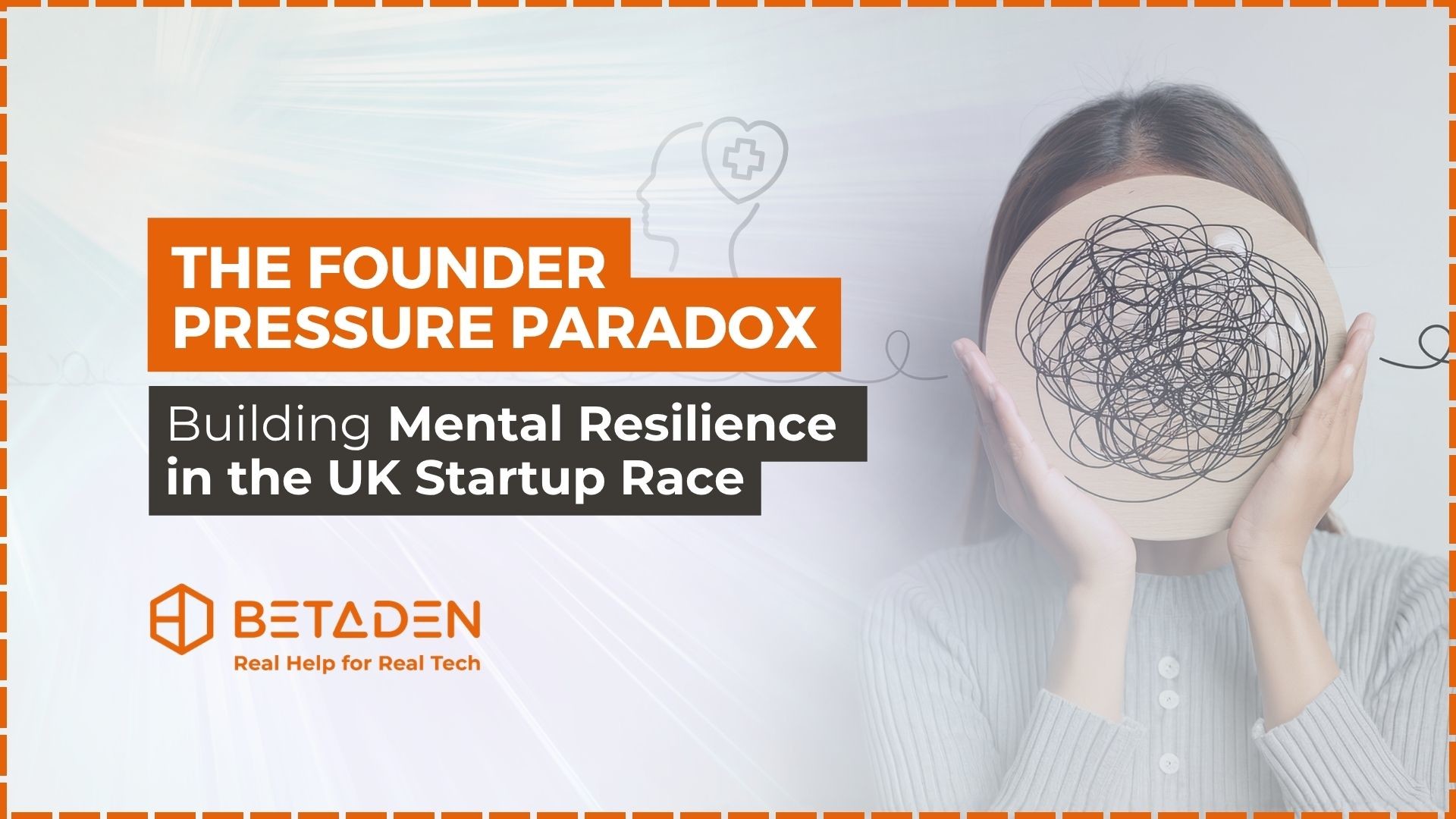
24 Mar 2026 | Entrepreneurship Hub
Building a startup is often described as a marathon - but in reality, it can feel like running...
23 Mar 2026 | Entrepreneurship Hub
With the UK tax year ending on 5 April 2026, founders have a narrow window to lock in 2025/26...

18 Nov 2025 | Entrepreneurship Hub
Strengthening supply chain resilience against ransomware has become a critical priority for UK...